A pipe that looks suitable can still fail because its material, pressure class, jointing system or diameter does not match the service. By checking the application, calculating demand, reading the markings and specifying compatible fittings, you can create a purchase list that suits your plumbing layout rather than choosing by appearance alone.
Key takeaways
- Use pressure-rated pipes for water supply, and drainage pipes for waste lines.
- Select diameter from flow demand, fixture count and pipe-run length.
- Check size, pressure class, batch details and standards before accepting delivery.
- Keep pipe, fittings, solvent cement and jointing methods within one compatible system.
Match the pipe material to the water or waste service
Material follows service, not diameter alone. A pipe suitable for bathroom waste cannot safely replace a pressurised water line, and a room-temperature pressure rating does not automatically apply to hot water.
| Service | Suitable pipe choice | Check before buying |
|---|---|---|
| Cold-water supply | PVC-U pressure pipe, CPVC or PPR | Match the standard, pressure class and potable-water approval to the installation. |
| Hot-water supply | CPVC or another hot-water-rated system | Use pipe, fittings and solvent cement from one compatible system; confirm the pressure rating at the operating temperature. |
| Drainage | PVC-U non-pressure drainage pipe | Verify that the product is approved for gravity flow, not pressure service. |
| Soil waste | PVC-U soil, waste and vent pipe | Look for IS 13592 and confirm the diameter, socket type and fitting range. |
| Rainwater | PVC-U rainwater or drainage pipe | Ask: “rainwater line qualifications as drain lines?” Confirm that the pipe is intended for gravity discharge and exposed conditions. |
| Underground supply | Pressure-rated PVC-U, CPVC or PPR | Check burial suitability, joint protection, external loads and the required pressure class. |
For Indian installations, look for IS 4985 on PVC-U pressure pipes, IS 15778 on CPVC hot- and cold-water pipes, or IS 15801 on PPR pipes. Do not treat an ISI mark alone as proof of suitability. Hot-water runs also need supports and movement allowance because rigidly trapping expanding plastic pipe can strain joints.
Choose diameter and pressure class from demand, not appearance
A basin branch does not need the same diameter as an overhead-tank outlet. Select nominal pipe size from the required flow, the number of fixtures operating together, the pipe length and the permitted pressure loss. A long run, several bends or simultaneous shower and kitchen use needs a larger bore to prevent weak flow.
Nominal size is a design label; actual outside diameter determines whether a replacement pipe fits the existing socket or fitting. For “bathroom basin pipe size suggestions?”, a 15 mm branch is a common starting point, while a 20 mm line suits a longer run or a branch serving more than one fixture.
Confirm the manufacturer’s dimensions before buying.
Use these as starting points, not substitutes for a hydraulic calculation:
| Use | Starting nominal pipe size | Check before final selection |
|---|---|---|
| Basin or single toilet cistern | 15 mm | Run length and available pressure |
| Shower or kitchen branch | 15–20 mm | Flow demand and simultaneous use |
| Overhead-tank outlet | 25–32 mm | Number of downstream fixtures |
| Underground or house main | 25 mm or larger | Peak demand and friction loss |
Choose pressure class from maximum working pressure, not pipe appearance. Add static head, pump pressure and water-hammer surge; 10 metres of elevation adds about 1 bar. Then allow for pressure loss along the run.
Plastic pressure ratings also fall as water temperature rises, so use the hot-water rating at its stated temperature, not the room-temperature figure. Record the selected pressure class and standard number.
Read every marking before you accept the pipe
Reject a pipe you cannot identify by material, standard, size and pressure rating. Check the pipe itself, its label and the product documentation before accepting a replacement or new line.
1. Find the manufacturer name, standard number, nominal size, wall thickness and batch number printed at regular intervals on the pipe.
The standard number on pipe markings must match the intended service: IS 4985 for PVC-U pressure pipes, IS 15778 for CPVC hot- and cold-water pipes, and IS 13592 for PVC-U soil, waste and vent pipes.
2. Match the document to the marking. For polypropylene random-copolymer pipe, look for IS 15801; for a pressure line, confirm the stated pressure class, series class or Schedule designation instead of accepting “heavy” or “premium” as a rating.
3. Check the outside diameter and wall thickness against the fittings and the old pipe. Nominal size is not the actual outside diameter, so a visually similar replacement can be impossible to join.
4. Ask for batch traceability, a product datasheet and the fitting-system compatibility statement. An ISI mark alone does not prove suitability for every use.
5. For a multi-storey building, pump-fed line or hot-water installation, record expected operating pressure and temperature. Use a hot-water-rated system, and confirm that rising temperature does not reduce the printed pressure rating below the system requirement.
Build a compatible fitting and jointing system
Use one fitting and jointing system from pipe to valve: match the material, nominal size, pressure class and service temperature instead of mixing whatever fits. For hot-water lines, use a hot-water-rated system such as CPVC, with its matching fittings and solvent cement; ordinary PVC-U is not a substitute.
Select components by their job and connection type:
- Use elbows to change direction, tees to branch, and reducers only when the documented size change is required.
- Choose unions where you need to remove a valve, pump or appliance without cutting pipe.
- Select valves with the correct pressure rating and end connection; do not force threaded plastic onto a mismatched metal valve.
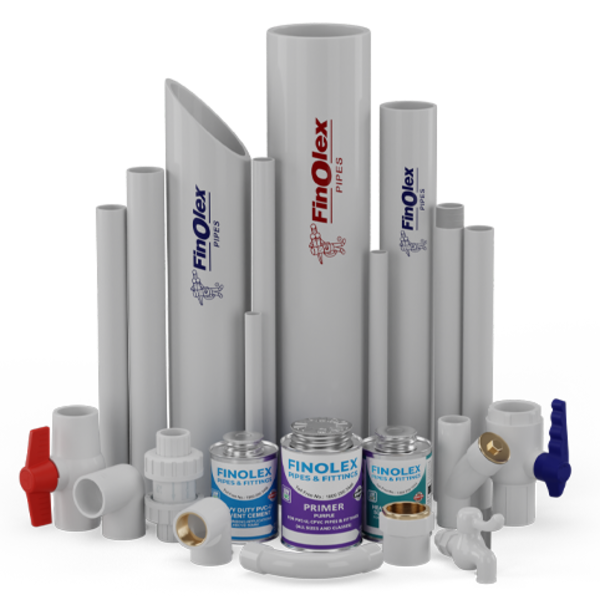
- Use approved compatible fittings and the manufacturer’s specified solvent cement and primer for solvent-welded joints.
- Use purpose-made transition fittings for plastic to metal connections at mixers, metal valves and storage heaters. Tighten plastic threads by hand, then only as far as the fitting instructions allow; metal tools can crack them.
Prevent leaks by cutting the pipe square, deburring it, and checking that the fitting seats fully during a dry fit. Remove dirt and moisture, apply the specified primer and cement evenly, push the pipe completely home, and hold it steady.
Follow the cement system’s cure time, which changes with diameter, temperature and humidity, before pressure testing. A distorted pipe end or rushed test can make a sound design fail.
Use a dealer checklist for each plumbing branch
Ask a Finolex Pipes dealer in Chennai to put every branch on one written schedule, rather than accepting “standard size” or “heavy-duty” as an answer. The schedule should show service, nominal size, outside diameter, wall thickness, standard, pressure class, fitting system and batch number.
1. Basin connection: document whether the line carries cold or hot water, the pipe material and nominal size, the angle-valve thread, flexible-hose size and every adapter required. For hot water, record the temperature-rated class under IS 15778.
2. Shower line: record the number of outlets, expected flow, operating pressure and pipe length. Ask for the selected class under IS 4985 or IS 15778, not a “premium” label; pressure loss can reduce shower flow at the farthest outlet.
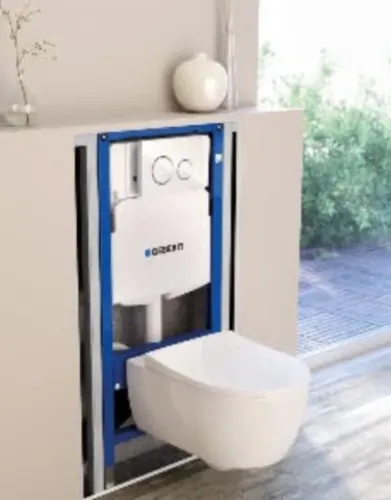
3. Toilet connection pipe size? Record whether this means the cistern supply or the soil-waste connection. The supply needs a pressure pipe and valve; the waste branch needs drainage geometry, access to a cleanout and the applicable IS 13592 pipe.
4. Kitchen supply line? Note hot and cold branches separately, mixer threads, appliance connections and transition fittings. Do not force a threaded plastic end with a metal wrench.
5. Overhead tank outlet? Record tank outlet diameter, valve type, vertical drop, pump pressure and selected pressure class. Include a union so the valve or tank can be serviced.
6. Underground supply? Document route, burial depth, bedding, joint locations, test pressure and protection at wall entries. Confirm the pipe’s IS 4985 marking and batch details.
Lifestyle Galleria can keep this schedule with your tile and bathroom plans, helping installers locate concealed outlets before finishes cover them.
Frequently asked questions
How do you match pipe material to plumbing service?
Use pressure-rated pipes for cold-water supply, hot-water-rated pipes for heated water, and drainage pipes for bathroom waste. Do not substitute a waste pipe for a pressurised line.
How do you choose the correct pipe diameter and pressure class?
Base diameter on flow demand, the number of fixtures, pipe-run length and available pressure. Select a pressure class that exceeds the system’s working pressure, including pump and surge conditions.
What pipe markings should you check before accepting delivery?
Check the manufacturer name, nominal size, pressure class, standard mark, batch or lot number and manufacturing details. Reject packs with missing markings, damaged surfaces or broken seals.
Why must fittings and jointing materials match the pipe system?
Matching pipe and fittings ensures compatible dimensions and jointing methods. Use the specified solvent cement, rubber ring or threaded connection instead of mixing systems without confirming compatibility.
What should you verify for each plumbing branch with a dealer?
Confirm the service, pipe material, diameter, pressure class, fitting type, jointing method and required quantities for each branch, including supply, hot water and waste lines.